Tuesday, April 9, 2019

Learn how exercise can protect the brain

Caregivers, and healthcare professionals,here is some great information

Here is a great dementia resource for caregivers and healthcare professionals,

Follow alzheimersideas on twitter

The Dementia Caregiver's Little Book of Hope [Kindle Edition]

Your residents will love the Amazon Kindle Fire

Here is information on being the best caregiver you can be

Here is a way for nurses administrators, social workers and other health care  professionals to get an easyceu or two
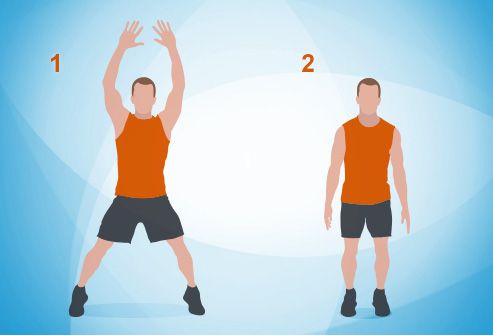
Image result for exercise pictures


Columbia University Medical Center Dana-Farber Cancer Institute


PREVENTION RESEARCH: Irisin is a neuroprotective protein. The brain makes irisin when you exercise, activating learning and memory genes. Learn how irisin protects brain cells from Alzheimer's plaque. Find out what increasing irisin can do to your memory. 


Athletes know a vigorous workout can release a flood of endorphins: "feel-good" hormones that boost mood. Now there's evidence that exercise produces another hormone called "irisin" that may improve memory and protect against Alzheimer's disease. This is according to a study co-led by Ottavio Arancio, MD, PhD, a researcher at Columbia University's Vagelos College of Physicians and Surgeons and Taub Institute for Research on Alzheimer's Disease and the Aging Brain. 

The study was published in Nature Medicine.

Exercise, Irisin & Neuronal Growth

Physical activity is known to improve memory, and studies suggest it may also reduce the risk of Alzheimer's disease. But researchers don't understand why. 

A few years ago, exercise researchers discovered a hormone called irisin that is released into the circulation during physical activity. Initial studies suggested that irisin mainly played a role in energy metabolism. But newer research found that the hormone may also promote neuronal growth in the brain's hippocampus, a region critical for learning and memory.

Protective Role

"This raised the possibility that irisin may help explain why physical activity improves memory and seems to play a protective role in brain disorders such as Alzheimer's disease" says Arancio, who is a professor of pathology and cell biology and of medicine at Columbia University Vagelos College of Physicians and Surgeons. 

Irisin Reduced in People with Alzheimer's

In the new study, Arancio and his colleagues at the Federal University of Rio de Janeiro in Brazil and Queens University in Canada first looked for a link between irisin and Alzheimer's in people. Using tissue samples from brain banks, they found that irisin is present in the human hippocampus and that hippocampal levels of the hormone are reduced in individuals with Alzheimer's. 

To explore what irisin does in the brain, the team turned to mice. These experiments show that irisin, in mice, protects the brain's synapses and the animals' memory: When irisin was disabled in the hippocampus of healthy mice, synapses and memory weakened. Similarly, boosting brain levels of irisin improved both measures of brain health.

Swimming Boosts Irisin, Protects Memory in Lab

The researchers then looked at the effect of exercise on irisin and the brain. In the study's most compelling experiments, the researchers found that mice who swam nearly every day for five weeks did not develop memory impairment despite getting infusions of beta amyloid -- the neuron-clogging, memory-robbing protein implicated in Alzheimer's. 

Blocking irisin with a drug completely eliminated the benefits of swimming, the researchers also found. Mice who swam and were treated with irisin-blocking substances performed no better on memory tests than sedentary animals after infusions with beta amyloid. 

Together the findings suggest that irisin could be exploited to find a novel therapy for preventing or treating dementia in humans, Arancio says. His team is now searching for pharmaceutical compounds that can increase brain levels of the hormone or can mimic its action.

Need for Drug to Mimic Irisin

"In the meantime, I would certainly encourage everyone to exercise, to promote brain function and overall health," he said. "But that's not possible for many people, especially those with age-related conditions like heart disease, arthritis, or dementia. For those individuals, there's a particular need for drugs that can mimic the effects of irisin and protect synapses and prevent cognitive decline."

Prior Attempt to Mimic Irisin

In a previous study, a protein called FNDC5 was shown to be produced by muscular exertion and released into the bloodstream as the variant called irisin. 

This protein is increased by endurance exercise. The researchers isolated the protein and gave it to non-exercising mice. It turned on genes that promote brain health and encourage the growth of new nerves involved in learning and memory. The research was reported by scientists from Dana-Farber Cancer Institute and Harvard Medical School.

The findings, reported in the journal Cell Metabolism, help explain the well-known capacity of endurance exercise to improve cognitive function, particularly in older people. If the protein can be made in a stable form and developed into a drug, it might lead to improved therapies for cognitive decline in older people and slow the toll of neurodegenerative diseases such Alzheimer’s and Parkinson’s, according to the investigators.

Natural Substance

“What is exciting is that a natural substance can be given in the bloodstream that can mimic some of the effects of endurance exercise on the brain,” said Bruce Spiegelman, PhD, of Dana-Farber and HMS. He is co-senior author of the publication with Michael E. Greenberg, PhD, chair of neurobiology at HMS.

In the new research, endurance exercise – mice voluntarily running on a wheel for 30 days – increased the activity of a metabolic regulatory molecule, PGC-1α, in muscles, which spurred a rise in FNDC5 protein. The increase of FNDC5 in turn boosted the expression of a brain-health protein, BDNF (brain-derived neurotrophic protein) in the dentate gyrus of the hippocampus, a part of the brain involved in learning and memory.

Generating New Nerve Cells

It has been found that exercise stimulates BDNF in the hippocampus, one of only two areas of the adult brain that can generate new nerve cells. BDNF promotes development of new nerves and synapses – connections between nerves that allow learning and memory to be stored – and helps preserve the survival of brain cells.

How exercise raises BDNF activity in the brain wasn’t known; the new findings linking exercise, PGC-1α, FNDC5 and BDNF provide a molecular pathway for the effect, although Spiegelman and his colleagues suggest there are probably others.

Getting it Artificially

Having shown that FNDC5 is a molecular link between exercise and increased BDNF in the brain, the scientists asked whether artificially increasing FNDC5 in the absence of exercise would have the same effect. They used a harmless virus to deliver the protein to mice through the bloodstream, in hopes the FNDC5 could reach the brain and raise BDNF activity. Seven days later, they examined the mouse brains and observed a significant increase in BDNF in the hippocampus.

“Perhaps the most exciting result overall is that peripheral deliver of FNDC5 with adenoviral vectors is sufficient to induce central expression of Bdnf and other genes with potential neuroprotective functions or those involved in learning and memory,” the authors said. Spiegelman cautioned that further research is needed to determine whether giving FNDC5 actually improves cognitive function in the animals. The scientists also aren’t sure whether the protein that got into the brain is FNDC5 itself, or irisin, or perhaps another variant of the protein.

Getting it Naturally

Spiegelman said that development of irisin as a drug will require creating a more stable form of the protein.

In the meantime, you can get it naturally by exercising.


MORE INFORMATION:

  • The first study is titled “Exercise-linked FNDC5/irisin rescues synaptic plasticity and memory defects in Alzheimer’s models.”

    The other contributors are Mychael V. Lourenco (Federal University of Rio de Janeiro, Rio de Janeiro, Brazil, and CUIMC); Rudimar L. Frozza (Federal University of Rio de Janeiro and Oswaldo Cruz Institute, Oswaldo Cruz Foundation, FIOCRUZ, Rio de Janeiro); Guilherme B. de Freita (Federal University of Rio de Janeiro and Queen’s University, Kingston, Ontario, Canada); Hong Zhang (CUIMC); Grasielle C. Kincheski (Federal University of Rio de Janeiro); Felipe C. Ribeiro (Federal University of Rio de Janeiro); Rafaella A. Gonçalves (Queen’s University, Kingston, Ontario, Canada); Julia R. Clarke (Federal University of Rio de Janeiro); Danielle Beckman (Federal University of Rio de Janeiro); Agnieszka Staniszewski (CUIMC); Hanna Berman (CUIMC); Lorena A. Guerra (Federal University of Rio de Janeiro); Letícia Forny-Germano (Federal University of Rio de Janeiro); Shelby Meier (University of Kentucky, Lexington, KY); Donna M. Wilcock (University of Kentucky); Jorge M. de Souza (Federal University of Rio de Janeiro); Soniza Alves-Leon (Federal University of Rio de Janeiro); Vania F. Prado (University of Western Ontario, London, Ontario, Canada); Marco A. M. Prado (University of Western Ontario); Jose F. Abisambra (University of Kentucky); Fernanda Tovar-Moll (D’Or Institute for Research and Education, Rio de Janeiro, Brazil, and Federal University of Rio de Janeiro); Paulo Mattos (D’Or Institute for Research and Education and Federal University of Rio de Janeiro); Sergio T. Ferreira (Federal University of Rio de Janeiro); and Fernanda G. De Felice (Federal University of Rio de Janeiro and Queen’s University).
  • The earlier study's first author of the report is Christiane Wrann, PhD, in the Spiegelman lab.

    The research was supported by the JPB Foundation and National Institutes of Health (DK31405 and DK90861).

    The study can be found at:
    Exercise Induces Hippocampal BDNF through a PGC-1[alpha]/FNDC5 Pathway; Christiane D. Wrann, James P. White, John Salogiannnis, Dina Laznik-Bogoslavski, Jun Wu, Di Ma, Jiandie D. Lin, Michael E. Greenberg, Bruce M. Spiegelman; Cell Metabolism Available online 10 October 2013; DOI: 10.1016/j.cmet.2013.09.008; Abstract.
SUPPORT:
  • This work was supported by grants from Alzheimer Society of Canada, the Weston Brain Institute, National Institute for Translational Neuroscience (INNT/Brazil), Human Frontier Science Program, International Society for Neurochemistry, National Institutes of Health (R01NS049442), Canadian Institutes of Health Research, and the Brazilian funding agencies Conselho Nacional de Desenvolvimento Científico e Tecnológico and Fundação Carlos Chagas Filho de Amparo à Pesquisa do Estado do Rio de Janeiro.
SOURCES:

Thursday, April 4, 2019

is there a drug for dementia and osteoporosis

Caregivers, and healthcare professionals,here is some great information

Here is a great dementia resource for caregivers and healthcare professionals,

Follow alzheimersideas on twitter

The Dementia Caregiver's Little Book of Hope [Kindle Edition]

Your residents will love the Amazon Kindle Fire

Here is information on being the best caregiver you can be

Here is a way for nurses administrators, social workers and other health care  professionals to get an easyceu or two


Elsevier
MEDICATION: The most common drug for Alzheimer's also increases bone mass in mice. Find out what this means for people with dementia in fear of bone fractures, as well as conditions like osteoporosis or periodontitis. 


The most common drug used to treat Alzheimer's disease increases bone mass in mice, according to a groundbreaking research article published in the open access journal Heliyon. The authors of the study, from Saitama Medical University in Japan, say this means the drug could also be used to treat bone loss diseases like osteoporosis and periodontitis, following further clinical research.

Alzheimer's disease is the most common form of dementia and the incidence is increasing in our aging population. In the early stages of Alzheimer's disease, bone density decreases, putting patients at a higher risk of bone fractures.

Donepezil (Brand name : Aricept®)

The new Heliyon study suggests that treating Alzheimer's disease with a drug called donepezil (Brand name : Aricept®) not only improves cognitive function but also increases bone density, reducing the risk of fractures.

"We think that donepezil can improve cognitive function and increase bone mass, making it a very useful drug for patients with dementia and osteoporosis," said lead author Dr. Tsuyoshi Sato, Associate Professor in the Department of Oral and Maxillofacial Surgery, Saitama Medical University. "From the viewpoint of medical economics, this dual purpose could reduce the cost of treating these diseases."

Bone Mass & Density

Two different kinds of cell control the bone mass and density in our bodies: osteoblasts make bone and osteoclasts absorb it. A molecule called acetylcholine causes osteoclasts to die in vitro. Although an enzyme called acetylcholinesterase breaks this molecule down, the effect of this enzyme on osteoclasts remains unclear.

The most common drug used to treat Alzheimer's disease, donepezil, stops acetylcholinesterase from working, leading to an increase in the amount of acetylcholine in the brain. Recent retrospective clinical studies have suggested that patients being treated with donepezil for Alzheimer's disease have a lower risk of hip fracture, and that risk was dependent on the dose they were taking.

The researchers wanted to understand how donepezil prevents bone degradation. They looked at the drug's activity in vitro using mouse bone marrow cells, and found that more acetylcholinesterase is produced when osteoclasts are being made, which leads to even more osteoclasts being made. Donepezil stops acetylcholinesterase from working, therefore preventing osteoclasts from being made.

Surprising Point

The team also looked at the effect of the drug in a mouse model with bone loss. They found that donepezil increases bone mass in mice by preventing the production of osteoclasts.

"We were surprised to see that donepezil directly inhibits the production of osteoclasts and subsequently increases bone mass in vivo," said Dr. Sato. "This is very surprising point - donepezil directly controls the molecule that is responsible for macrophages becoming osteoclasts."

Previous research has shown that acetylcholinesterase activity increases continuously with age, and may accelerate the risk of bone loss in elderly people. The researchers noted that the concentration of acetylcholinesterase in macrophages was higher when the tissue was inflamed. This suggests that inflammation causes bone to be degraded in part due to acetylcholinesterase production.

"Our findings are very promising and suggest that there is a role for donepezil in increasing bone mass in elderly patients with inflammation and dementia," said Dr. Sato. "There is still work to be done and we look forward to observing the effect of this drug in patients."

The team now plans to work with the Department of Neurology at Saitama Medical University on clinical research. They plan to study whether taking donepezil reduces patients' risk of bone fracture by looking at its effect in a group of patients compared to a control group.


MORE INFORMATION:
"Donepezil prevents RANK-induced bone loss via inhibition of osteoclast differentiation by downregulating acetylcholinesterase" by Sato et al. (doi: 10.1016/j.heliyon.2015.e00013). The article appears in Heliyon (September 2015), published by Elsevier.

SOURCE:
Elsevier

Friday, March 29, 2019

Delay dementia-Study shows how

Caregivers, and healthcare professionals,here is some great information

Here is a great dementia resource for caregivers and healthcare professionals,

Follow alzheimersideas on twitter

The Dementia Caregiver's Little Book of Hope [Kindle Edition]

Your residents will love the Amazon Kindle Fire

Here is information on being the best caregiver you can be

Here is a way for nurses administrators, social workers and other health care  professionals to get an easyceu or two


Watch: How Alzheimer's Changes the Brain


University of Texas Health Science Center at San Antonio

PROGRESS: A key study shows an easing, in certain respects, of the harsh impact of dementia. On average, people seem to be developing dementia later in life. This means more healthy years and fewer painful ones. 


An important study, included in a special supplement to the Journal of Gerontology, indicates that dementia's impact might be compressing a bit. That is, people might be developing dementia later and living with it for a shorter period of time.

More Years in Health, Fewer Years in Dementia

Faster than the lengthening of our lifespans, has been the increase in dementia-free years. That means people continue to live longer. On top of that, more and more of those years are spent free of dementia. 

Sudha Seshadri, M.D., professor of neurology and founding director of the Glenn Biggs Institute for Alzheimer's & Neurodegenerative Diseases at UT Health San Antonio, is the senior author on the study, which draws evidence from the Framingham Heart Study. 

In data from four different time periods over a period of 30 years, the mean age at dementia onset increased, while the length of time living with dementia decreased.

Improvements in Stroke Treatment Lowers Dementia

Is it because prevention and care of stroke today is superior compared to decades ago? Stroke is a major risk factor for dementia. 

"Prevention of stroke and reduced impact of stroke are great advances, but neither completely explains the trend we are seeing," Dr. Seshadri said. "We are looking at other causes, such as:

  1. Lower burden of multiple infections because of vaccination, and
  2. Possibly lower levels of lead or other pollutants in the atmosphere.
  3. Early education and nutrition might also play a role."
Stroke risk has decreased because of greater control of blood pressure. Dr. Seshadri again cited Framingham data: "In the past, if you had a stroke you were at 90 percent greater risk to develop dementia. Today, you have a 40 percent greater risk," she said. 


REFERENCE:

SOURCE:

Tuesday, March 26, 2019

Dementia professionals-Top tips for you

Caregivers, and healthcare professionals,here is some great information

Here is a great dementia resource for caregivers and healthcare professionals,

Follow alzheimersideas on twitter

The Dementia Caregiver's Little Book of Hope [Kindle Edition]

Your residents will love the Amazon Kindle Fire

Here is information on being the best caregiver you can be

Here is a way for nurses administrators, social workers and other health care  professionals to get an easyceu or two


Saturday, March 23, 2019

Reduce side effects of Alzheimer's drugs

Caregivers, and healthcare professionals,here is some great information

Here is a great dementia resource for caregivers and healthcare professionals,

Follow alzheimersideas on twitter

The Dementia Caregiver's Little Book of Hope [Kindle Edition]

Your residents will love the Amazon Kindle Fire

Here is information on being the best caregiver you can be

Here is a way for nurses administrators, social workers and other health care  professionals to get an easyceu or two


Learn the best ways to dose Alzheimer's medications. See how anti-dementia drugs like Exelon®(rivastigmine) help treat Alzheimer's symptoms. 


An important study shows anti-Alzheimer's capsulesare better tolerated when spread out over a three-times-a-day regimen. Similarly, anti-Alzheimer's skin-patches can lower side-effects by slowly releasing medication throughout the day. 

The study used the dementia drug known by the brand-name Exelon®, or generically as rivastigmine. Exelon is an "acetylcholinesterase inhibitor", as are Aricept (donepezil) and Razadyne (galantamine). They all treat dementias such as Alzheimer's in very similar ways. They also share similar side-effects. 

Continued below video...


Exelon® (rivastigmine) is one of the most common medications prescribed for people with mild to moderate Alzheimer's disease.

Alzheimer's disease is caused by degeneration of the nerve cells that produce acetylcholine. Because of this, preventing loss of this chemical by taking Exelon® may improve a person's memory, the ability to express himself, understand where he or she is, and to carry out his daily living activities.

Exelon® slows down Alzheimer’s cognitive decline by preventing the loss of a brain chemical called acetylcholine. Acetylcholine is important for memory and learning.

These 3 Alzheimer's drugs are similar, working as Acetylcholinesterase Inhibitors:
Brand NameGeneric
Exelonrivastigmine
Ariceptdonepezil
Razadynegalantamine
It has been more than 10 years since Exelon® first came out on the market. It is now used to treat Alzheimer's disease in more than 70 countries around the world. It is approved by the Food and Drug Administration (FDA) for treatment of Alzheimer's and Parkinson's disease dementia in the United States as well as by the European Commission in Europe.

There are several different forms of Exelon® and a number of different doses, making it easier and safer to take, including gel capsules, liquid and through a skin patch.

As mentioned, a study published in the Journal of Neurology, Neurosurgery and Psychiatry found that Exelon® capsules were best tolerated when prescribed in a three-times-a-day regimen, instead of twice a day. According to the principle investigator, Dr. Howard H. Feldman, the overall daily dose remained the same, but was divided into three smaller doses, distributed evenly throughout the day. This reduced side effects because the dosage-spike was lower when the level of medication swallowed at one time was lower.

For people who can't swallow pills, Exelon® is available in liquid form. Many elderly people have trouble swallowing pills and they often fight with caregivers over having to take the medication as a result. Liquid is less threatening.

Exelon® is also available in a skin patch, which makes it easier on the patient and the caregiver because it eliminates the need to make sure the liquid or pills are swallowed on time, three times a day. Instead, the medication is absorbed directly from the patch through the skin and into the bloodstream, where it is supplied continually for 24 hours. It only needs to be changed at the beginning of each day, which is a great convenience.

An even more important advantage is in the patch providing a visual reassurance for the caregiver and patient that the patient is receiving their medication.

Exelon® is also available as generic rivastigmine. Typically, the generic is cheaper than the brand name, Exelon®, while being the same medication. This is especially important for the elderly, where income often becomes more limited.

One producer of generic rivastigmine capsules is Sun Pharmaceutical Industries, a specialty pharmaceutical company located in India which distributes advanced generic medicines in the United States. Their generic version of Exelon® come in four strengths: 1.5 mg, 3 mg, 4.5 mg and 6 mg.


Thursday, March 21, 2019

Song that inspires those with Alzheimer's, their families and others

Caregivers, and healthcare professionals,here is some great information

Here is a great dementia resource for caregivers and healthcare professionals,

Follow alzheimersideas on twitter

The Dementia Caregiver's Little Book of Hope [Kindle Edition]

Your residents will love the Amazon Kindle Fire

Here is information on being the best caregiver you can be

Here is a way for nurses administrators, social workers and other health care  professionals to get an easyceu or two


Jay Allen

Raising 20 million dollars for Alzheimer's, Jay Allen found the courage to write a song about the journey in caring for his mom's Alzheimer's. The song is called "Blank Stares". His vision is that this song will raise awareness, bring hope to those affected, and most importantly, become a weapon in the fight against Alzheimer's. 


My name is Jay Allen. I'm a country music artist and songwriter signed to Sony/ATV in Nashville, TN. 


My mom has early onset Alzheimer's, and at the age of only 52, she's now showing signs of stage 6. It's something that has affected my family deeply, something that we can't escape, and it brings me to my knees most days. 

Print Friendly Version of this pagePrint Get a PDF version of this webpagePDFI grew up in small town rural Iowa with mom(Sherry), dad(Joe), and my two baby sisters(Cassie and Amber). We didn't have a lot, but our parents always seemed to find a way, sometimes working 2-3 jobs each to make sure we had enough. Looking back, it was a humbling childhood, but what I think affected me most was my mother's affection and selflessness towards all of us. She always put her children first, no matter what the sacrifice. If we wanted some stupid toy for Christmas, she would work the overtime or pick up an extra shift. She didn't care what it took, she just wanted us to be happy. 

When I was in middle school, I remember asking my mom what she would change to make her life better if she could go back in time. 


Her response was, "I wouldn't change a thing. I was made to be a good mom. I live for you kids." 

Now that I'm older, I hold onto those words as I watch this horrible disease steal away a beautiful woman. Sometimes I want to yell at God when I hear her stumble through a simple sentence, or when I look at her and feel like she's not even there anymore. It makes me so mad, and it kills me that I can't fix it. But then there are the moments of hope, when dad brings her to visit Nashville and we dance all night at The Sutler…or when she grins and taps her foot to the live music…or when I wrap my arms around her, and she takes a deep breath and says, "I've missed you, Jay." 

Her words, the good memories, and the moments of joy - that's what I hold onto. 

As a songwriter and up-and-coming artist, I feel that I have an obligation to be a positive role-model, and to also give back by utilizing the gifts that God has blessed me with. In realizing the importance of this, I finally found the courage to write a song about my experience, called "Blank Stares". My vision is that this song will raise awareness, bring hope to those affected, and most importantly, become a weapon in the fight against Alzheimer's. 

So please, download your copy of "Blank Stares" today, share, and dream with me. Music is powerful. Let's do something with it. 

With all my heart,
Jay Allen 

Tuesday, March 19, 2019

Why high sugar increases dementia risk>

Caregivers, and healthcare professionals,here is some great information

Here is a great dementia resource for caregivers and healthcare professionals,

Follow alzheimersideas on twitter

The Dementia Caregiver's Little Book of Hope [Kindle Edition]

Your residents will love the Amazon Kindle Fire

Here is information on being the best caregiver you can be

Here is a way for nurses administrators, social workers and other health care  professionals to get an easyceu or two


Group Health Research Institute.

Dementia risks for 17 sugar levels were tested in 2000 people. Without exception, each higher level bumped up the risk. See why researchers found these results so astonishing. 


A joint Group Health-University of Washington (UW) study in the New England Journal of Medicine has found that higher blood sugar levels are associated with higher dementia risk, even among people who do not have diabetes. (Continued below video.)

Continued below video...


Blood sugar levels averaged over a five-year period were associated with rising risks for developing dementia, in this report about more than 2,000 Group Health patients age 65 and older in the Adult Changes in Thought (ACT) study.

There was No Level Where Risk Leveled Off

For example, in people without diabetes, risk for dementia was 18 percent higher for people with an average glucose level of 115 milligrams per deciliter compared to those with an average glucose level of 100 mg/dl. And in people with diabetes, whose blood sugar levels are generally higher, dementia risk was 40 percent higher for people with an average glucose level of 190 mg/dl compared to those with an average glucose level of 160 mg/dl.

"The most interesting finding was that every incrementally higher glucose level was associated with a higher risk of dementia in people who did not have diabetes," said first author Paul K. Crane, MD, MPH, an associate professor of medicine at the UW School of Medicine, adjunct associate professor of health services at the UW School of Public Health, and affiliate investigator at Group Health Research Institute. "There was no threshold value for lower glucose values where risk leveled off."

Very Rich Data

"One major strength of this research is that it is based on the ACT study, a longitudinal cohort study, where we follow people for many years as they lead their lives," said senior author Eric B. Larson, MD, MPH, a senior investigator at Group Health Research Institute who also has appointments at the UW Schools of Medicine and Public Health. "We combine information from people's research visits every other year with data from their visits to Group Health providers whenever they receive care. And this gave us an average of 17 blood sugar measurements per person: very rich data."

These measurements included blood glucose (some fasting, some not) and glycated hemoglobin (also known as HbA1c). Blood sugar levels rise and fall in peaks and valleys throughout each day, but glycated hemoglobin doesn't vary as much over short intervals.

Sophisticated Statistical Models

Combining glucose and glycated hemoglobin measures into a composite measure required special statistical techniques, which Drs. Crane and Larson's co-authors Rod Walker, MS, a biostatistician, and Rebecca Hubbard, PhD, an associate investigator, both from Group Health Research Institute, had developed. (Dr. Hubbard is also an affiliate assistant professor of biostatistics at the UW School of Public Health.) These sophisticated statistical models required specialized data on the relationships between glycated hemoglobin and glucose levels, and they used data generated by co-author David M. Nathan, MD, a professor of medicine at Harvard Medical School and director of the Diabetes Center at Massachusetts General Hospital.

So should people try to eat less sugar -- or foods with a lower "glycemic index"? Not necessarily, Dr. Crane said: "Your body turns your food into glucose, so your blood sugar levels depend not only on what you eat but also on your individual metabolism: how your body handles your food." But he does suggest that taking walks couldn't hurt: The ACT study has previously linked physical activity to later onset and reduced risk of dementia, including Alzheimer's disease.

Furthermore, Dr. Crane emphasized that these results come from an observational study: "What we found was that people with higher levels of glucose had a higher risk of dementia, on average, than did people with lower levels of glucose," he said. "While that is interesting and important, we have no data to suggest that people who make changes to lower their glucose improve their dementia risk. Those data would have to come from future studies with different study designs."

Blog Flux Directory
alzheimersideas - whereIstand.com

Fitness is important in dementia prevention. Click below for more info