Showing posts with label Mediterranean diet. Show all posts

Saturday, July 6, 2019

How do lettuce and oil protect the brain

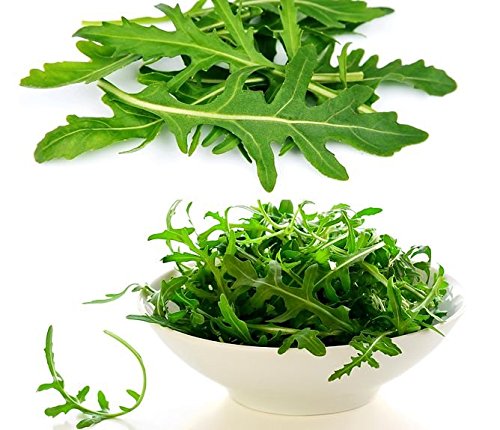
250+ ORGANICALLY Grown Arugula Roquette Rocket Seeds Heirloom Non-GMO Delicious and Healthy, Eruca Sativa, from USA

Caregivers, and healthcare professionals,here is some great information

Here is a great dementia resource for caregivers and healthcare professionals,

Follow alzheimersideas on twitter

The Dementia Caregiver's Little Book of Hope [Kindle Edition]

Your residents will love the Amazon Kindle Fire

Here is information on being the best caregiver you can be

Here is a way for nurses administrators, social workers and other health care  professionals to get an easyceu or two


King's College London


A diet that combines unsaturated fats with nitrite-rich vegetables, such as olive oil and lettuce, can protect you from hypertension and vascular dementia. Learn which foods are helpful and why.


A diet that combines unsaturated fats with nitrite-rich vegetables, such as olive oil and lettuce, can protect you from hypertension, suggests a dietary study led by King's College London. Hypertension is a major risk factor for vascular dementia.

The findings, published in the journal PNAS, help to explain why some previous studies have shown that a Mediterranean diet can reduce blood pressure.

The Mediterranean diet typically includes unsaturated fats found in:

  • olive oil,
  • nuts
  • avocados,
along with vegetables that are rich in nitrites and nitrates like: 
  • spinach,
  • celery
  • carrots.
When these two food groups are combined, the reaction of unsaturated fatty acids with nitrogen compounds in the vegetables results in the formation of nitro fatty acids.

The study, supported by the British Heart Foundation, used mice to investigate the process by which these nitro fatty acids lower blood pressure, looking at whether they inhibited an enzyme known as soluble Epoxide Hydrolase which regulates blood pressure.

Mice genetically engineered to be resistant to this inhibitory process were found to maintain their high blood pressure despite being fed the type of nitro fatty acids that normally form when a Mediterranean diet is consumed. However, nitro fatty acids were found to lower the blood pressure of normal mice following the same diets.

Thus, the study concludes that the protective effect of the Mediterranean diet, combining unsaturated fats and vegetables abundant in nitrite and nitrate, comes at least in part from the nitro fatty acids generated which inhibit soluble Epoxide Hydrolase to lower blood pressure.

Professor Philip Eaton, Professor of Cardiovascular Biochemistry at King's College London, said: 

"The findings of our study help to explain why previous research has shown that a Mediterranean diet supplemented with extra-virgin olive oil or nuts can reduce the incidence of cardiovascular problems like stroke, heart failure and heart attacks."


Source:

Journal Reference:
  1. Rebecca L. Charles, Olena Rudyk, Oleksandra Prysyazhna, Alisa Kamynina, Jun Yang, Christophe Morisseau, Bruce D. Hammock, Bruce A. Freeman, and Philip Eaton. Protection from hypertension in mice by the Mediterranean diet is mediated by nitro fatty acid inhibition of soluble epoxide hydrolasePNAS, May 2014 DOI: 10.1073/pnas.1402965111

Monday, September 24, 2018

Mind and body diet

Caregivers, and healthcare professionals,here is some great information

Here is a great dementia resource for caregivers and healthcare professionals,

Follow alzheimersideas on twitter

The Dementia Caregiver's Little Book of Hope [Kindle Edition]

Your residents will love the Amazon Kindle Fire

Here is information on being the best caregiver you can be

Here is a way for nurses administrators, social workers and other health care  professionals to get an easyceu or two


  • Frontiers news release, via EurekAlert.

18 diet studies showed the Mediterranean Diet improved cognition and fought Alzheimer's in countries around the world. No matter what your age, see why the Mediterranean Diet can help keep your brain healthy. 


Eating a Mediterranean diet can slow down cognitive decline.

The diet can improve your mind (as well your heart), shows a study published in the open-access journal Frontiers in Nutrition


Following a Mediterranean diet was shown to be associated with slower rates of cognitive decline, reduced conversion to Alzheimer's, and improvements in cognitive function.

The main foods in the Mediterranean diet (MedDiet) include plant foods, such as leafy greens, fresh fruit and vegetables, cereals, beans, seeds, nuts, and legumes. The MedDiet is also low in dairy, has minimal red meat, and uses olive oil as its major source of fat.


Leading author Roy Hardman from the Centre for Human Psychopharmacology Swinburne University of Technology Melbourne Australia and his colleagues evaluated all the available papers between 2000-2015 that investigated if and how a MedDiet may impact cognitive processes over time. In total, 18 out of the 135 articles met their strict inclusion criteria.

Most Surprising Result

"The most surprising result was that the positive effects were found in countries around the whole world. So regardless of being located outside of what is considered the Mediterranean region, the positive cognitive effects of a higher adherence to a MedDiet were similar in all evaluated papers;" he said.

Attention, memory, and language improved. Memory, in particular, was positively affected by the MedDiet including improvements in: delayed recognition, long-term, and working memory, executive function, and visual constructs.

Slowing Cognitive Decline

"Why is a higher adherence to the MedDiet related to slowing down the rate of cognitive decline? The MedDiet offers the opportunity to change some of the modifiable risk factors," he explained.

"These include reducing inflammatory responses, increasing micronutrients, improving vitamin and mineral imbalances, changing lipid profiles by using olive oils as the main source of dietary fats, maintaining weight and potentially reducing obesity, improving polyphenols in the blood, improving cellular energy metabolism and maybe changing the gut micro-biota, although this has not been examined to a larger extent yet."

Cognitive Benefits to All Ages

Moreover, the benefits to cognition afforded by the MedDiet were not exclusive to older individuals. Two of the included studies focused on younger adults and they both found improvements in cognition using computerized assessments.

The researchers stress that research in this area is important due to the expected extensive population aging over the next 20-30 years. They envision that the utilization of a dietary pattern, such as the MedDiet, will be an essential tool to maintain quality of life and reduce the potential social and economic burdens of manifested cognitive declines like dementia.

"I would therefore recommend people to try to adhere or switch to a MedDiet, even at an older age," Hardman added.

Like many researchers, Hardman takes his research home: "I follow the diet patterns and do not eat any red meats, chicken or pork. I have fish two-three times per week and adhere to a Mediterranean style of eating."

REFERENCE: SOURCE:
  • Frontiers news release, via EurekAlert.

Friday, January 12, 2018

Why the Mediterranean diet is good for memory

Caregivers, and healthcare professionals,here is some great information

Here is a great dementia resource for caregivers and healthcare professionals,

Your residents will love the Amazon Kindle Fire

Here is information on being the best caregiver you can be

Here is a way for nurses administrators, social workers and other health care  professionals to get an easyceu or two

Follow alzheimersideas on twitter

The Dementia Caregiver's Little Book of Hope [Kindle Edition]

EurekAlert

18 diet studies showed the Mediterranean Diet improved cognition and fought Alzheimer's in countries around the world. No matter what your age, see why the Mediterranean Diet can help keep your brain healthy. 


Eating a Mediterranean diet can slow down cognitive decline.

The diet can improve your mind (as well your heart), shows a study published in the open-access journal Frontiers in Nutrition

Continued below video...

Following a Mediterranean diet was shown to be associated with slower rates of cognitive decline, reduced conversion to Alzheimer's, and improvements in cognitive function.

The main foods in the Mediterranean diet (MedDiet) include plant foods, such as leafy greens, fresh fruit and vegetables, cereals, beans, seeds, nuts, and legumes. The MedDiet is also low in dairy, has minimal red meat, and uses olive oil as its major source of fat.

Leading author Roy Hardman from the Centre for Human Psychopharmacology Swinburne University of Technology Melbourne Australia and his colleagues evaluated all the available papers between 2000-2015 that investigated if and how a MedDiet may impact cognitive processes over time. In total, 18 out of the 135 articles met their strict inclusion criteria.

"The most surprising result was that the positive effects were found in countries around the whole world. So regardless of being located outside of what is considered the Mediterranean region, the positive cognitive effects of a higher adherence to a MedDiet were similar in all evaluated papers;" he said.

Attention, memory, and language improved. Memory, in particular, was positively affected by the MedDiet including improvements in: delayed recognition, long-term, and working memory, executive function, and visual constructs.

"Why is a higher adherence to the MedDiet related to slowing down the rate of cognitive decline? The MedDiet offers the opportunity to change some of the modifiable risk factors," he explained.

"These include reducing inflammatory responses, increasing micronutrients, improving vitamin and mineral imbalances, changing lipid profiles by using olive oils as the main source of dietary fats, maintaining weight and potentially reducing obesity, improving polyphenols in the blood, improving cellular energy metabolism and maybe changing the gut micro-biota, although this has not been examined to a larger extent yet."

Moreover, the benefits to cognition afforded by the MedDiet were not exclusive to older individuals. Two of the included studies focused on younger adults and they both found improvements in cognition using computerized assessments.

The researchers stress that research in this area is important due to the expected extensive population aging over the next 20-30 years. They envision that the utilization of a dietary pattern, such as the MedDiet, will be an essential tool to maintain quality of life and reduce the potential social and economic burdens of manifested cognitive declines like dementia.

"I would therefore recommend people to try to adhere or switch to a MedDiet, even at an older age," Hardman added.

Like many researchers, Hardman takes his research home: "I follow the diet patterns and do not eat any red meats, chicken or pork. I have fish two-three times per week and adhere to a Mediterranean style of eating."


Tuesday, December 22, 2009

Alzheimer's Diets

Here is a great dementia resource for caregivers and healthcare professinals,

Here is information on being the best caregiver you can be

Here are more interesting dementia brain boosting Corrier-journal.comactivities

Here is a dementia music activity

eHow


A healthy Alzheimer's diet supports good blood flow to the brain, is low in saturated fat and cholesterol, and has the right balance of nutrients. In order for a person with Alzheimer's disease to function well, he must adhere to a balanced diet, whether it be a traditional diet or the Mediterranean diet.

Alzheimer's Disease
Alzheimer's disease is a brain disease that slowly progresses over time. It cannot be reversed. The main problem in Alzheimer's disease is the accumulation of abnormal proteins called plaques and tangles. As they increase, memory and thinking skills decrease. Many times, problem behaviors like crying for no apparent reason, wandering or agitation, occur. Eventually, carrying out simple tasks like getting dressed, making a bed or getting a drink are impossible.

Traditional Diet
Persons with Alzheimer's disease should eat foods rich in nutrients. Their meals must be well-balanced and include food from the four major food groups (healthy grains, fruits and vegetables, proteins, and dairy products). The diet should include variety, balance and moderation.
Even healthy older adults encounter changes in the way they eat as they get older: Sometimes food does taste or not smell the same as it used to. As people age, difficulties in chewing, swallowing and digesting food may occur. These problems may be more evident in people with Alzheimer's disease. Problems controlling appetite also may occur. People with Alzheimer's disease may overeat or not eat at all. They may only want to eat certain foods.
Vitamin or nutritional supplements may be needed if a person with Alzheimer's disease does not eat a healthy diet. However, consult a doctor before taking any supplements as they may interact with prescription drugs.

Mediterranean Diet
A Mediterranean diet may benefitread all of Alzheimer's Diets

Tuesday, December 15, 2009

Good Diet, Better Brain

Here is a great dementia resource for caregivers and healthcare professinals,

Here is information on being the best caregiver you can be

Here are more interesting dementia brain boosting Corrier-journal.comactivities

Here is a dementia music activity

December Tip
Nature's Pantry

Doctors in a Mediterranean diet
study followed about 1,400 men and
women, aged at least 65, for five years
and found that those who ate the most
fish, monounsaturated fatty acids,
vitamin B12, folic acid, and antioxidants
vitamin E, carotenoids and flavonoids
had better mental test scores, and slower
mental decline. In a related diet and
exercise study, researchers followed
about 1,900 elders for five years and
found that as diet improved and exercise
increased, individually, chances of
Alzheimer’s disease decreased, and
when participants combined good diet
and exercise, chances for AD were 60
percent lower.

Reference: Journal of the American Medical
Association; 2009, Vol. 302, No. 6, 638-48

Wednesday, August 19, 2009

Fresh fish, fruits and vegetables make eating the Mediterranean way a healthy

Here is a great dementia resource for caregivers and healthcare professinals,

Here is information on being the best caregiver you can be

Here are more interesting dementia activities

Stars ans Stripes

By Lisa M. Novak, Stars and Stripes

NAPLES — The benefits of the Mediterranean diet are in the news again, this time for helping ward off dementia associated with Alzheimer’s disease.

A recently published article in the Journal of the American Medical Association detailed results from a study in which senior citizens living in New York were monitored between 1992 and 2006 for adherence to a Mediterranean diet and physical activity.

The study showed regular eating of a Mediterranean-type diet was related to reducing the risk of Alzheimer’s disease. It also correlated higher levels of physical activity to lower risk of the disease, independent of diet.

That may be welcome news for those who might not be interested in upping their activity level, but are willing to make a few changes when it comes to meal time.

So what is the Mediterranean diet?

There isn’t one specific regimen that makes up this particular eating lifestyle. Rather, it is regular consumption of certain foods that are readily available and prepared in a fashion common throughout the Mediterranean region.

According to the American Heart Association, the diet includes:

more about the Mediterranean way

Saturday, September 13, 2008

High praise for the for Mediterranean Diet

By Kelley Colihan
WebMD Health NewsReviewed by Louise Chang, MD
Sept. 11, 2008 -- More accolades are being heaped on the Mediterranean diet. This time, researchers say the diet may actually help prevent certain chronic diseases. such as Alzheimer's disease and related dementias as well as others.

A review of studies, led by the University of Florence's Francesco Sofi, looks at what role a Mediterranean diet played in the primary prevention of diseases

Researchers cobbled together 12 studies representing more than 1.5 million people who were followed from three to 18 years.

They gave people a score of 0 points for a low adherence to the Mediterranean diet and 7 to 9 points maximum for those who followed it religiously.

Mediterranean Diet and Disease
The researchers found that people who followed a strict Mediterranean diet were:

9% less likely to die from heart disease or other cardiovascular problems
6% less likely to develop cancer or die from it
13% less likely to have Parkinson's or Alzheimer's disease

The Mediterranean diet was....read the whole article
Blog Flux Directory
alzheimersideas - whereIstand.com

Fitness is important in dementia prevention. Click below for more info